
The mind games behind the thrill of gambling understanding psychological triggers
The Psychology of Risk and Reward
The thrill of gambling is often rooted in the psychology of risk and reward. When individuals place bets, they experience a rush of adrenaline, which can lead to a heightened sense of excitement. In the ever-evolving landscape of online gaming, many players seek to enjoy real money opportunities, and this is where payid casino australia real money becomes relevant. This physiological response can create a feedback loop where the prospect of winning reinforces the desire to gamble, even in the face of potential losses. The anticipation of a win, coupled with the possibility of losing, makes gambling an emotionally charged activity.

Moreover, the brain’s reward system plays a significant role in this dynamic. Dopamine, a neurotransmitter associated with pleasure, is released when a person gambles, particularly when they win. This biochemical reaction not only reinforces the behavior but also compels individuals to return for more, often leading them to chase their losses and engage in risky gambling behaviors.
The Illusion of Control
Many gamblers fall prey to the illusion of control, believing they can influence the outcome of a game through skill or strategy. This perception can be particularly strong in games like poker or blackjack, where players feel their decisions directly affect the results. However, in games of chance, such as slots or roulette, this belief can be misleading. The psychological comfort of feeling in control can enhance the gambling experience, making it more appealing and addictive.
This illusion often leads to cognitive biases, such as the “gambler’s fallacy,” where individuals believe that past outcomes influence future results. For instance, if a slot machine hasn’t paid out recently, players may erroneously think it’s due for a win. This false reasoning keeps them engaged, perpetuating the cycle of play and investment, regardless of actual probabilities.
The Role of Environment and Social Influence
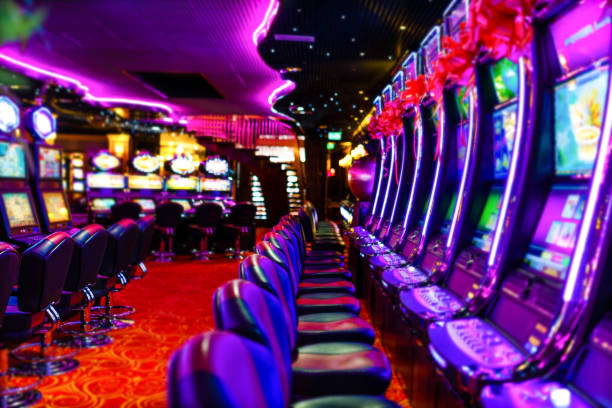
The environment in which gambling occurs can significantly affect a person’s experience. Bright lights, loud sounds, and the presence of other players can create an electrifying atmosphere that heightens emotions. Casinos are designed to maximize this effect, encouraging players to stay longer and gamble more. The sensory overload can also lead to impaired judgment, making it easier for players to lose track of time and money.
Additionally, social influences play a crucial role in gambling behavior. Friends or peers who participate in gambling can create a sense of camaraderie, making the experience more enjoyable. Social pressures can also encourage risk-taking, as individuals may feel compelled to keep up with their peers. This community aspect of gambling can further entrench addictive behaviors, making it difficult for individuals to step back and evaluate their choices.
The Impact of Near Misses
Near misses are a common occurrence in gambling, particularly in games like slots where players often come close to winning. These near misses can have a powerful psychological effect, leading players to feel as though victory is just within their grasp. This sensation can result in an increased desire to continue gambling, as players believe they are closer to hitting it big.
Research has shown that near misses activate the brain’s reward pathways similarly to actual wins. This can create an addictive cycle where players are motivated to keep gambling in hopes of achieving that elusive win. Understanding how near misses impact gambling behavior is crucial for recognizing the psychological triggers that keep players engaged and can lead to problematic gambling habits.
Exploring Responsible Gambling
For those looking to enjoy gambling while minimizing risks, understanding psychological triggers is essential. Awareness of the mind games at play can help individuals make informed decisions about their gambling habits. Strategies such as setting strict budgets, taking breaks, and recognizing personal triggers can enhance the gambling experience without leading to harmful consequences.
As you navigate the exciting world of gambling, remember that education is a powerful tool. By understanding the psychological aspects involved, you can approach gambling with a healthier mindset, ensuring it remains a form of entertainment rather than a source of stress or addiction.
